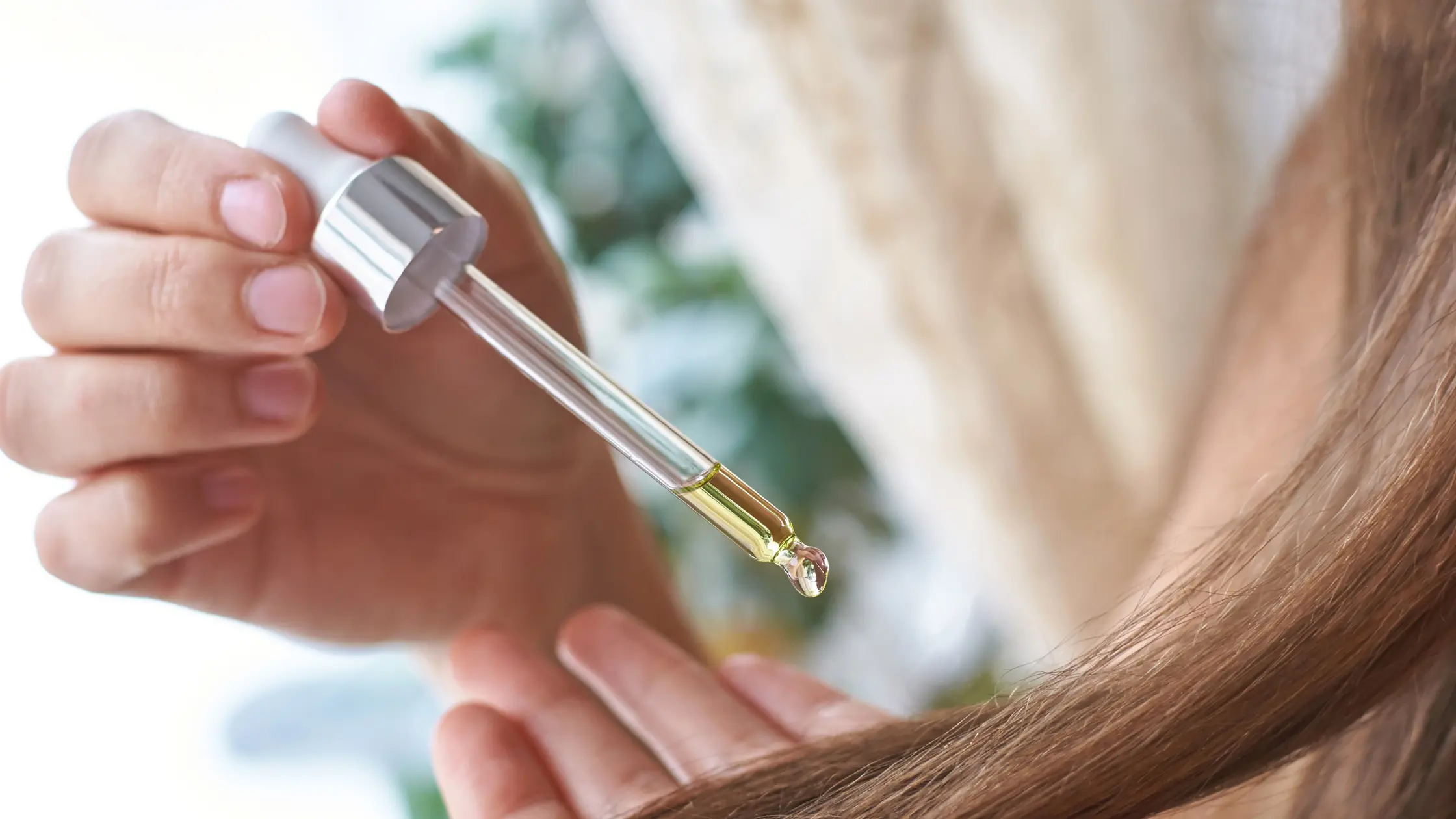





Vitamin A has long been hailed as the beauty vitamin essential for glowing skin, sharper vision, and a strong immune system. But here’s the twist: too much of it might actually be making your hair fall out. According to experts, the same supplement that gives your skin a radiant glow could be silently triggering excessive hair shedding.
The Double-Edged Vitamin A In Your Routine
Vitamin A plays a key role in cell growth, scalp moisture, and hair repair. As reported by BestLifeOnline, Dr. Michael May, FRCS, Medical Director at London’s Wimpole Clinic, said that vitamin A “helps stimulate hair growth, repair damaged strands, and maintain scalp moisture.”
It also acts as an antioxidant, protecting your strands from environmental damage.
But when your intake goes beyond safe limits, it backfires and your hair follicles go into overdrive, and before long, you’re left wondering why your hairbrush looks fuller than your scalp.
Side Effects Of Taking Too Much Vitamin A
According to the Mayo Clinic, adults should consume around 700–900 micrograms of vitamin A daily. Anything more, especially over 10,000 micrograms per day can tip the body into vitamin A toxicity, a condition known as hypervitaminosis A.
And that’s when the hair trouble begins.
“Excessive vitamin A pushes hair follicles into overdrive,” warns Dr. May. “Your strands race through the growth phase and shed prematurely before your scalp can replace them.”
The result? Diffuse thinning, shedding, and even bald spots.
The Cleveland Clinic adds that vitamin A overload doesn’t stop at hair loss. Other symptoms include dry skin, brittle nails, cracked lips, headaches, and liver enlargement, all red flags of toxicity.
Retinol vs. Beta-Carotene
Not all vitamin A is created equal. The preformed version retinol, often found in supplements builds up in your liver over time. The plant-based version beta-carotene is much safer because your body only converts what it needs.
That’s why most people won’t get too much vitamin A from food alone, but supplements can push your body over the edge without you realizing it.
Should You Stop Taking Vitamin A?
If you’re experiencing unusual hair fall and have been taking vitamin A supplements, experts recommend pressing pause under medical supervision. Because vitamin A is fat-soluble and stored in the liver, it can take several weeks for your levels to balance again.
The silver lining? Hair growth usually recovers once vitamin A levels return to normal.
When Supplements Are Necessary
Not everyone needs to cut vitamin A completely. As dermatologist Dr. Enrizza P. Factor explained that supplements can help people with pancreatic disease, eye disorders, or chronic skin issues like psoriasis but they should always be prescribed by a professional.
Similarly, Krista Elkins, RN, told that those on restrictive diets or with declining night vision might benefit from vitamin A supplementation but casual use for “beauty benefits” can be risky.
Try The The Safer, Food-First Approach
For most people, the safest way to get vitamin A is from whole foods.
Natural sources include:
- Sweet potatoes and carrots
- Spinach and kale
- Eggs and cheese
- Fortified dairy products
“Most of us will never reach toxic levels from food alone,” said Dr. Kien Vuu, radiologist and longevity expert report. “But supplements, especially high-dose retinol, can easily push your system beyond its limit.”
Vitamin A is essential but balance is everything. If your hair is shedding and your supplement stack includes vitamin A, it might be time to rethink your routine. Because in your quest for glowing skin, you might be unintentionally trading your shine for strands.