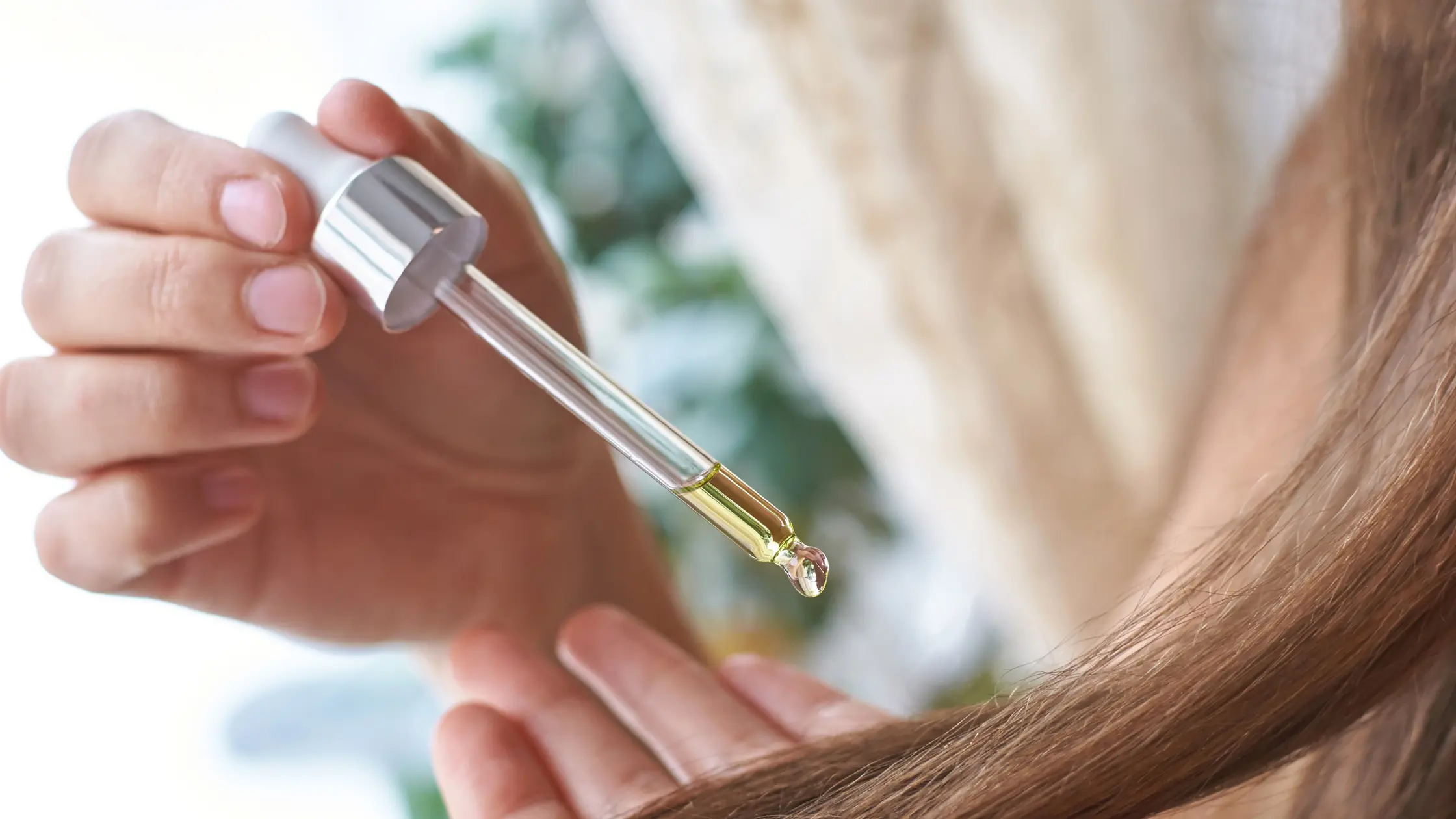




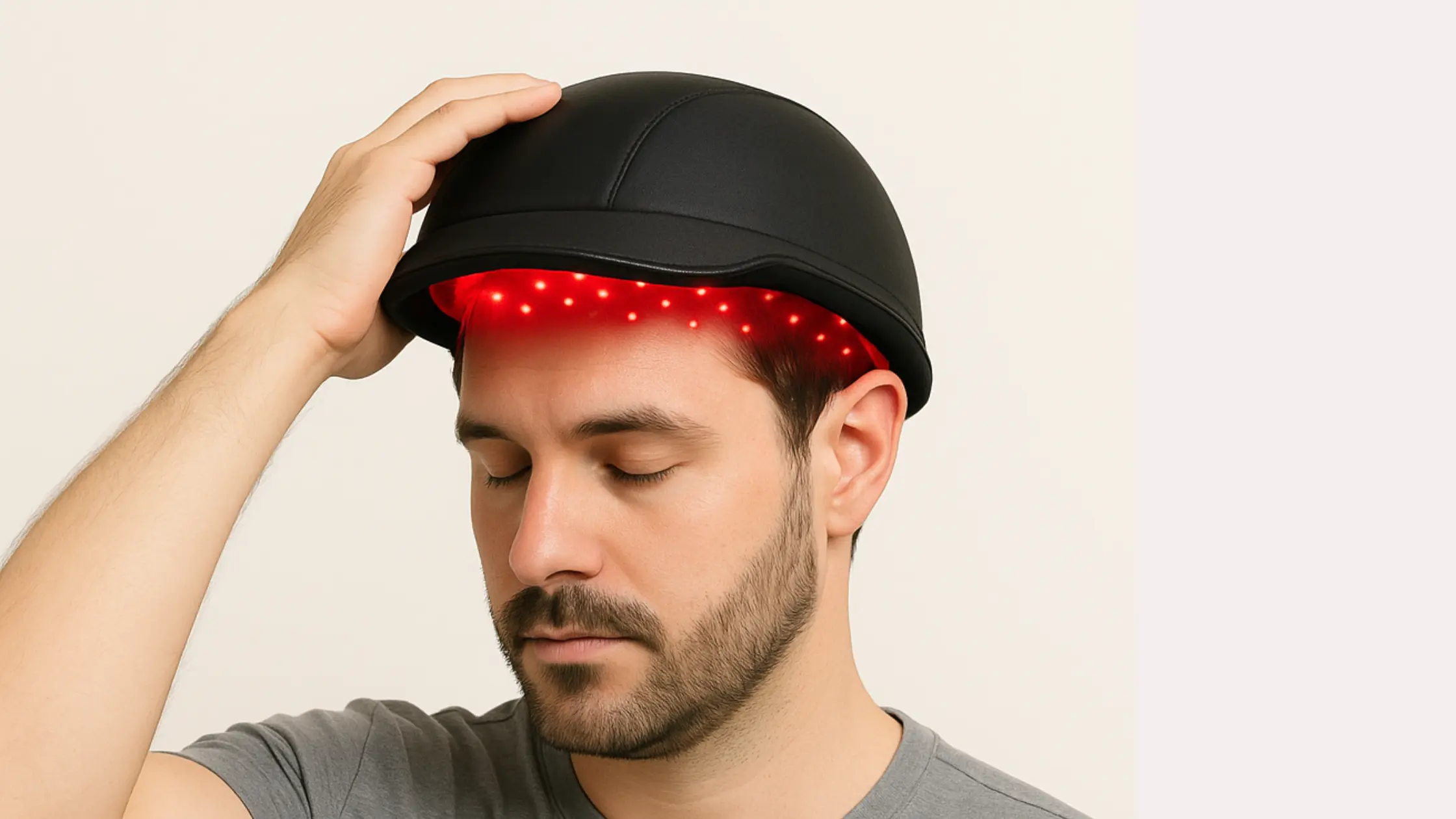
Hair fall conversations used to revolve around oils, shampoos, and supplements. But in the last few years, something unexpected has entered everyday routines: light. Controlled red light used in low-level laser therapy, better known as Low Level Laser Therapy. It began quietly, first in clinics, then in dermatology circles, and now it has slipped into home care. Today, many people treat it the same way they treat skincare devices: a long-term, results-driven tool.
But what exactly makes this red light-based therapy for hair fall control worth trying?
How Low Level Laser Therapy Works?
Most hair fall remedies work on the surface. A shampoo cleans. An oil soothes. A serum coats the strands. LLLT is different because it works where the real problem begins, the follicle.
Every hair strand grows from a tiny pocket under the skin. When this pocket becomes weak or lacks energy, the hair starts thinning long before you notice shedding. Instead of focusing on the strand, Low Level Laser Therapy directs light into these follicles to encourage them to function better.
It may sound unusual to use light on a biological structure, but your cells respond to specific wavelengths like signals. Red light in the LLLT range communicates with the follicle the same way sunlight communicates with plants, it boosts activity.
This therapy doesn’t create new hair roots. What it does is help underperforming follicles behave more like healthier ones.
Why Red Light Therapy Is Gaining Popularity?
Ten years ago, people mostly blamed genetics for hair fall. But now the triggers are far more complex. Long work hours, poor sleep, restrictive diets, pollution, and chronic stress are pushing more people into early-stage thinning.
LLLT stands out because it doesn’t rely on hormonal pathways or harsh chemicals. It supports the scalp’s biological environment regardless of what triggered the damage. Because of that, dermatologists often suggest it as the modern lifestyle-friendly treatment.
It’s gentle, but it keeps working quietly in the background.
The Changes People Usually Notice First
Most LLLT users don’t initially see “new hair.” What they experience is a slowdown in the problem.
- Less shedding in the shower
- Baby hair appearing along the hairline
- A ponytail that feels slightly fuller
- Hair that breaks less easily.
These improvements show the follicles are becoming more stable and staying in the growth phase longer.
Why Consistency Matters?
Many people assume stronger devices give faster results. But LLLT doesn’t work like laser hair removal or skin peels. It’s not a once-a-month treatment; it’s a regular, steady stimulation.
A few minutes of correct wavelength exposure several times a week is more effective than occasional heavy sessions.
Think of it like exercise for your follicles. A workout only works if you keep showing up. The more consistent you are, the better your hair responds.
What To Remember Before Trying LLLT?
To reap maximum benefits of low level laser therapy, remember these things first:
- You need patience.
- You need the right wavelength.
- You need a device that uses true lasers, not colored LEDs.
- And above all, you need consistency.
Over To You
In a world where stress, pollution, and lifestyle choices constantly compromise hair health, LLLT offers a non-invasive way to protect and strengthen your follicles from within. It doesn’t revive dead follicles, and it won’t reverse long-standing bald patches. But it can help preserve what you still have and strengthen it.
Disclaimer: This content is for informational purposes only and is not a substitute for professional medical advice, diagnosis, or treatment. Results from low-level laser therapy can vary based on individual hair and scalp conditions. Always consult a dermatologist or qualified healthcare provider before starting any new hair fall treatment, especially if you have underlying health issues or are taking medication.