



More and more women are turning to hair transplants, not for beauty, but for a sense of self…
For years, hair transplants were boxed as a cosmetic fix, mostly for men, often hidden behind vague phrases like “hair restoration treatment.” But in 2025, a different story is unfolding, one that has nothing to do with vanity and everything to do with identity.
Across globe, more women are choosing surgical hair restoration. Not because they want thicker ponytails or red-carpet glam. They want something far more personal, themselves back.
Why Are More Women Getting Hair Transplants?
A growing number of women describe hair loss as something that made them feel “unrecognizable,” “older than I am,” or “not myself anymore.”
It isn’t about societal beauty standards. It’s about the quiet panic that settles in when the mirror feels unfamiliar.
Hair fall whether due to PCOS, postpartum changes, chronic illness, sudden trauma, or long-term stress, isn’t just physical. It has emotional weight. And women are no longer pretending it doesn’t.
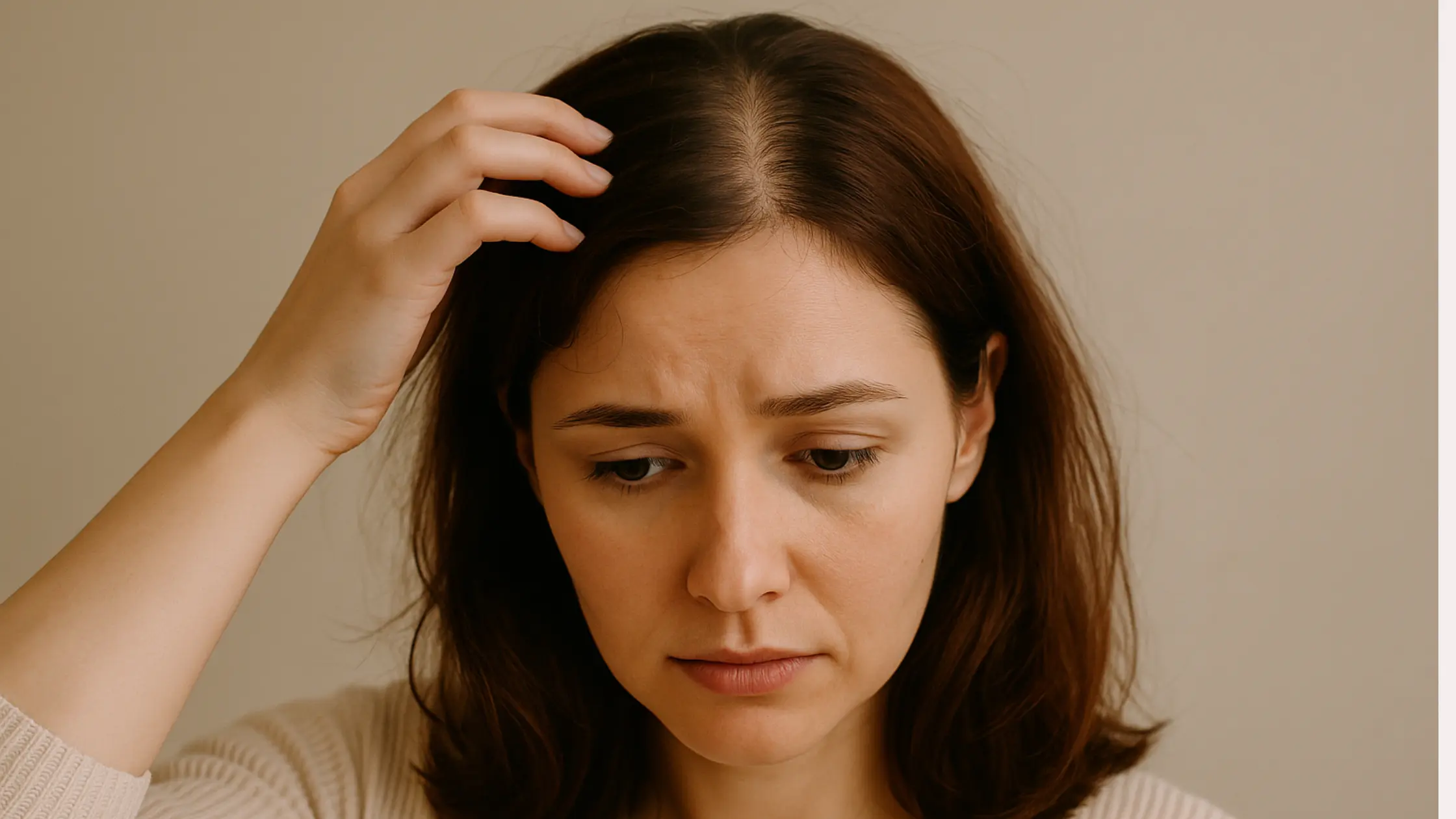
Hair thinning for women rarely appears as dramatic bald patches. It shows up slowly… a widening part, a shrinking ponytail, a crown that looks different in sunlight.
It’s subtle.
But internally, it can be devastating.
Dermatologists say they increasingly hear phrases like, “I don’t feel feminine anymore.” “No one understands why this hurts so much.” “I don’t recognize myself in photos.”
Hair is deeply tied to memory, identity, culture, and confidence. When it thins, a woman doesn’t just lose strands, she loses a version of herself she has carried for years.
Why Hair Transplants Suddenly Make Sense?
Most women are not looking for dramatic transformation. They want to restore, not reinvent. Hair transplants allow exactly that.
Surgeons say this emotional clarity makes women more committed, realistic, and better prepared candidates.
Some specialists have begun calling female hair transplantation, a way for women to reclaim control after years of feeling like their bodies were acting against them.
This includes:
- Women recovering from medical conditions
- Women healing after childbirth
- Women navigating hormonal shifts
- Women rebuilding after trauma
- Women tired of being told “it’s normal” when it clearly isn’t.
The procedure becomes a quiet act of self-respect, a way to say, “I’m allowed to feel like myself again.”
The Beauty Narrative Is Changing
For a long time, beauty advice for women with hair fall was patronizing at best and dismissive at worst.
Cover it up. Try another oil. It’s just stress. It’s normal with age.
In 2025, women are refusing those narratives.
They’re choosing medical solutions not because they’re image-obsessed but because they’re done being told to accept loss silently. They want accuracy, not sympathy.
And that is redefining the industry.
Over To You
The rise of female hair transplants isn’t a beauty trend. It’s a cultural shift, a movement of women quietly, confidently taking their identity back.
They’re not chasing perfection. They’re reclaiming familiarity.
They simply want to look like themselves again…
Disclaimer: This article is for informational purposes only. Always consult a professional before choosing any hair loss treatment or surgical procedure.