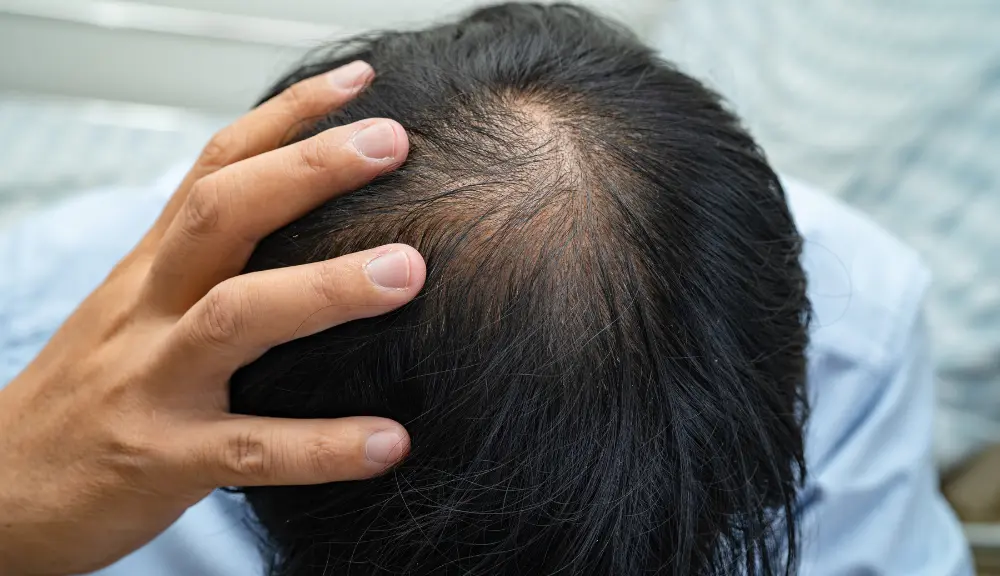





When you think of coloring your hair, it feels like the quickest way to reinvent your look. But according to a top Mumbai hair transplant surgeon, that gorgeous new shade might be doing more harm than good. Dr Abhishek Pilani, founder of Assure Clinic, recently appeared on The Ranveer Show and revealed that frequent hair dyeing and bleaching can seriously damage your hair follicles.
The Truth About Hair Dyes And Hair Loss
During the episode, Dr Pilani explained that coloring isn’t as simple as just coating your strands with pigment. “First, colour itself is damaging your hair,” he said. “Now for multiple colors, people bleach it, then recolor it, then bleach again. You’re damaging hair follicles.”
He compared it to smoking. “One cigarette won’t destroy your lungs, but ten a day for ten years definitely will. Similarly, one dye session is fine, but constant coloring will eventually damage your follicles and you could lose all your hair.”
That analogy hit home for many who love switching hair colors as often as trends change.
What Actually Happens Inside Your Hair When You Color?
Bleaching and coloring are chemical processes that strip your hair of its natural pigment and protective barrier. Here’s what goes wrong:
Bleach breaks down the hair’s outer layer, making it fragile and weak. Chemical dyes often contain ingredients like ammonia and PPD that penetrate deep into the hair shaft. Over time, this weakens not only your strands but also your follicles, leading to thinning or even permanent hair loss.
It’s not immediate damage, but a slow decline. Think of it as your scalp quietly giving up after too many rounds of bleach and color.
How To Color Your Hair Safely?
Dr Pilani wasn’t saying you should never dye your hair again. He emphasized moderation and smart choices. Here’s what he recommends:
- Choose ammonia-free and PPD-free hair dyes whenever possible.
- Avoid frequent coloring sessions, space them out so your hair can recover.
- Use shampoos and conditioners made for color-treated hair.
- Take care of your scalp just as much as your strands. A healthy scalp equals stronger hair.
Hair color is fun, expressive, and confidence-boosting. It’s not the villain. But ignoring how your hair and scalp respond can turn your next color session into a long-term hair loss story. And if they do don’t forget to check out how to control hair fall after coloring?
So if you’re planning that new shade of blonde or cherry red, take a moment to give your follicles some love first. Because as Dr Pilani warned, those roots might not always bounce back.
Disclaimer: This article is for informational purposes only and is not a substitute for professional medical advice, diagnosis, or treatment. Always consult a qualified dermatologist or trichologist before making changes to your hair care routine or treatments. The statements and opinions mentioned are based on insights shared by Dr Abhishek Pilani on The Ranveer Show and may not apply to every individual’s hair or scalp condition.